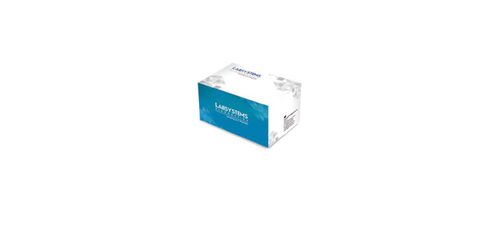
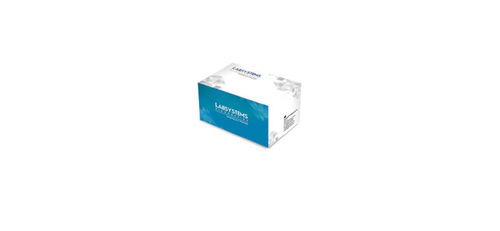
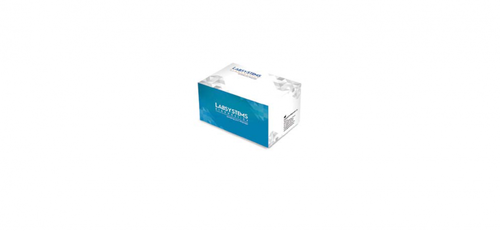
About नवà¤à¤¾à¤¤ G6PD
overview
NADP+ is reduced by glucose-6-phosphate dehydrogenase enzyme (G-6-PD) in the presence of glucose-6-phosphate, and the rate of formation of NADPH is proportional to the G-6-PD activity, and is determined fluorometrically.
It is an enzymatic method for the quantitative determination of glucose-6-phosphate dehydrogenase activity from dried blood spots, with fluorometric detection.
Technical Specifications
- Neonatal G6PD, 5 solid plates (96) 480 wells 6199 861
- Neonatal G6PD, 10 solid plates (96) 960 wells 6199 860
Benefits
- Excellent reproducibility
- Superior agreement with external quality samples
- Assay time only 30 minutes
- Good stability
Modern Technology for Reliable Neonatal ScreeningThis G6PD screening device leverages contemporary technology to deliver swift and accurate diagnostics. The portable nature of the equipment ensures flexibility, making it highly suitable for use in both hospitals and clinics. Healthcare providers can rely on this tool to enhance the quality of neonatal care and improve outcomes by identifying at-risk infants promptly.
Comprehensive Support from an Indian SupplierAs an established distributor and exporter based in India, we offer full support to hospitals and clinics nationwide. Our focus on quality, reliability, and customer satisfaction underscores our commitment to improving neonatal health, making advanced G6PD screening accessible to diverse healthcare organizations.
FAQs of Neonatal G6PD:
Q: How does the Neonatal G6PD device work in a hospital or clinic setting?
A: The device operates using advanced biosensor technology, enabling healthcare professionals to quickly screen newborns for G6PD deficiency. Its user-friendly design and multicolor interface assist in easy operation and interpretation of results within minutes, optimizing patient care workflow in hospitals and clinics.
Q: What are the main benefits of using a portable Neonatal G6PD device?
A: The key advantages include rapid, on-site diagnostics, mobility between departments, and minimal downtime. Its modern, portable design allows clinicians to perform tests at the patients bedside, reducing the need for sample transport and enabling earlier detection and intervention.
Q: When should the Neonatal G6PD screening be conducted?
A: Screening is recommended shortly after birth, preferably within the first few days, to identify infants at risk for G6PD deficiency. Early detection helps guide treatment decisions and preventive measures, minimizing potential health complications.
Q: Where can this G6PD device be used within healthcare facilities?
A: It is suitable for a variety of settings, including neonatal intensive care units, maternity wards, and outpatient clinics. Its compact form and multicolor indicators ensure easy integration into any space where immediate biochemical screening is required.
Q: What is the typical process for using the device?
A: Healthcare staff collect a small blood sample from the newborn and apply it to the test strip or cartridge. The device then analyzes the sample, providing accurate results on its multicolor display. The entire process is streamlined to deliver results within a few minutes.
Q: How does this product benefit distributors and suppliers in India?
A: With rising awareness about neonatal health, this modern, portable G6PD device enables distributors and suppliers in India to offer advanced solutions that meet the stringent demands of hospitals and clinics. Its reliability and rapid performance foster trust and long-term partnerships with healthcare clients.